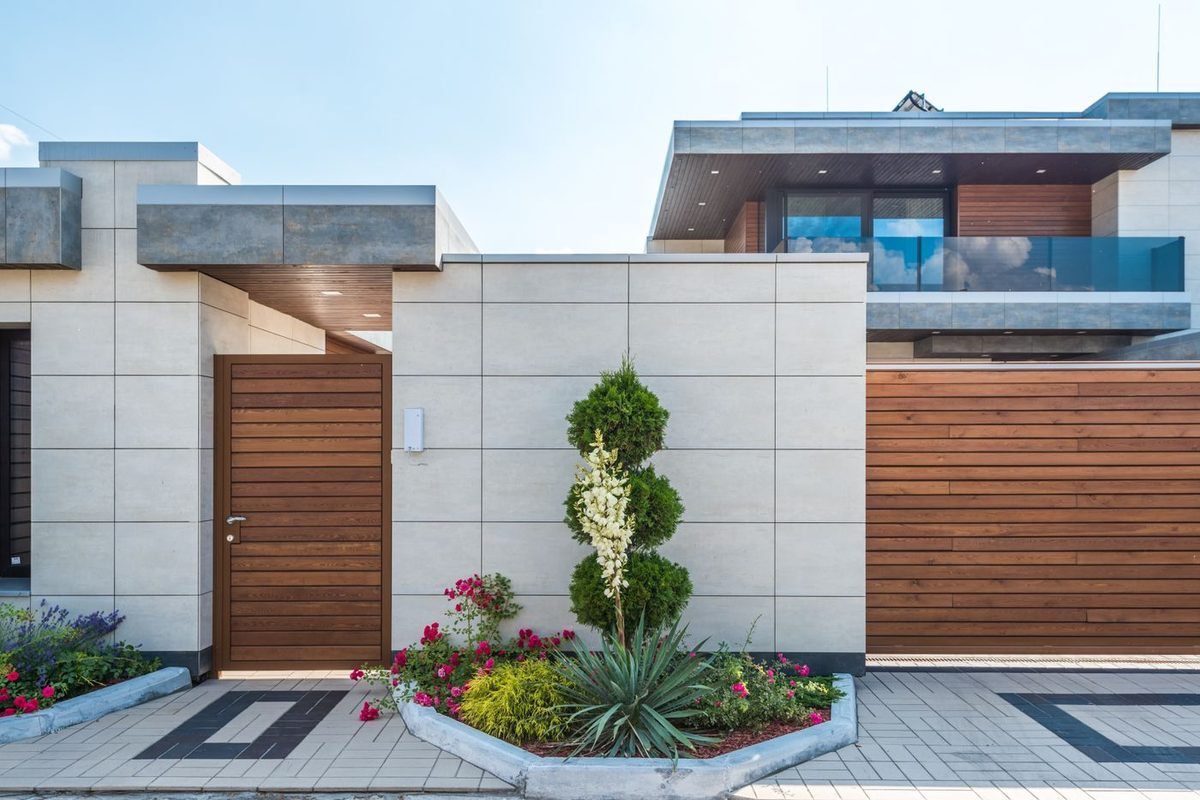
The order of operations nobody explains
Exterior work has a natural sequence: fix the things that keep water out, then repair the surfaces, then improve the surfaces, then plant, then light. Working in the other order is how freshly planted borders end up trampled by scaffolding.
Roof and gutters first, then walls and joinery repairs, then painting or render, then hard landscaping, then planting and lighting. If a driveway or path is being replaced, do it after the heavy trades have finished, never before.
Materials that cope with weather
Exterior finishes earn their keep in the fifth year, not the first. Choose materials with a known maintenance cycle and accept that cycle willingly — painted timber needs repainting, composite decking needs cleaning, natural stone needs sealing.
- Render and cladding that shed water rather than hold it
- Powder-coated metal over untreated steel for fittings
- Slip-resistant, frost-tolerant paving for paths and steps
- Exterior-grade fixings and stainless connectors
- Drainage planned before planting
Lighting is the cheapest transformation
A modest lighting plan changes how a home reads at night more than any other single element. Layer it: a warm glow at the entrance, low-level path lighting to guide feet, and a couple of uplights on trees or a textured wall for depth.
Keep it restrained. Lighting that is too bright, too cool in colour, or aimed at a neighbour's window undoes the effect. Timers and sensors also mean you actually use it.
Planting for structure first
Evergreen structure — hedging, shrubs, small trees — carries the garden through winter, when most colour is gone. Plant structure first, then perennials, then seasonal fillers.
Group plants by water need so irrigation can be zoned sensibly. In wet climates, ensure beds drain; in dry ones, mulch generously and plant smaller specimens that establish faster.
The details people notice first
Front door, house sign, gate hardware, path edges and the state of the boundary. These are small, cheap items that read as care. A loose gate hinge or a faded house number is remembered longer than a well-chosen plant.
Curb appeal is maintenance made visible. The aim is not perfection — it is evidence that someone is paying attention.
Key takeaways
- Sequence exterior work: water protection, repairs, surfaces, hard landscaping, planting, lighting.
- Choose finishes with a maintenance cycle you are willing to keep.
- Layer lighting at the entrance, along paths and on planting.
- Plant evergreen structure before colour so the garden works in winter.
- Small hardware details read as care and cost very little.
If you take one thing from this article: plan the sequence before you choose the finish. Almost every renovation regret traces back to that order.